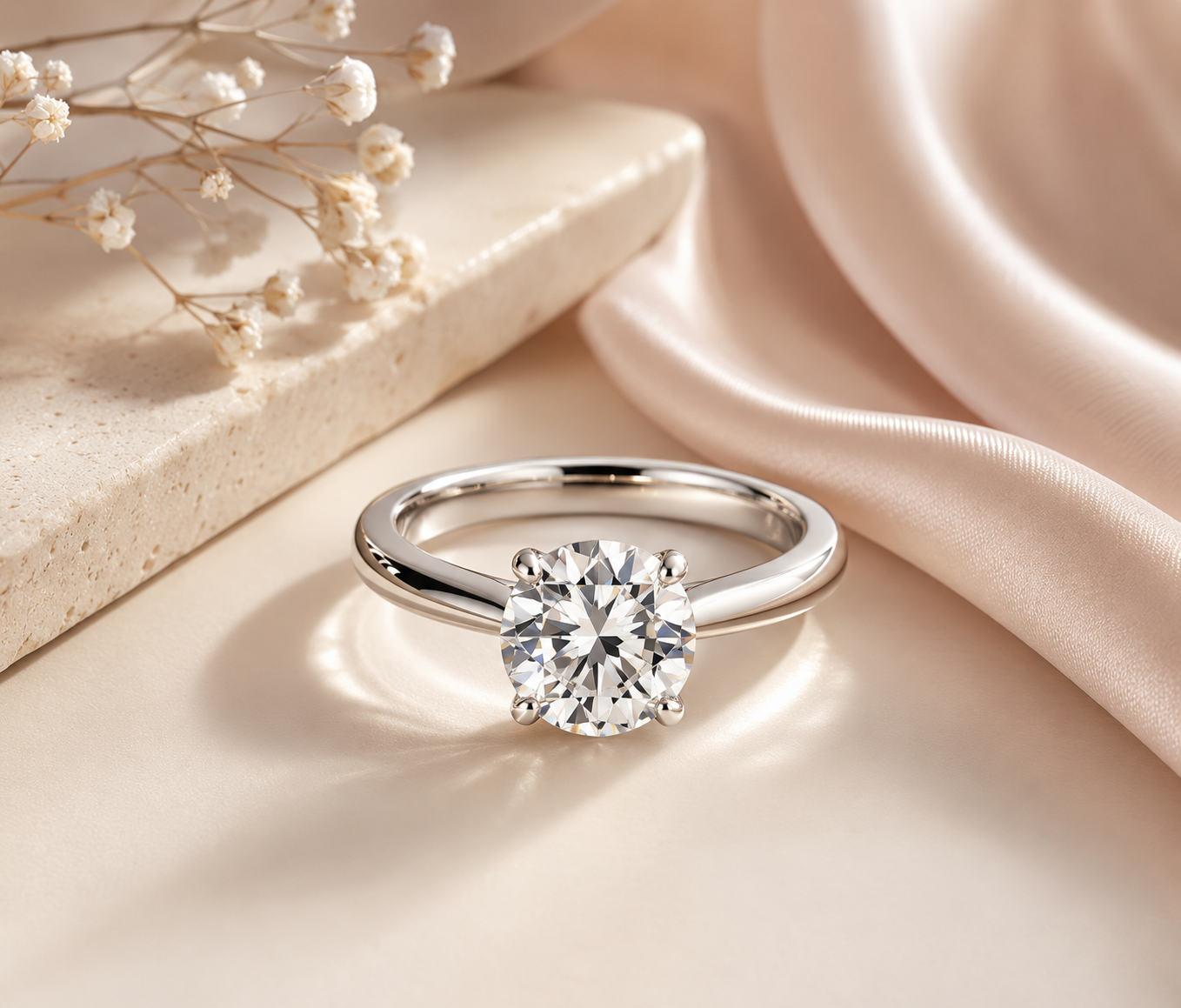
Lab-created diamond rings are now a well-liked choice for engagement rings, wedding rings, and other significant jewellery. With the development of diamond growing technology, diamonds with physical, chemical, and optical properties essentially the same as mined diamonds can be produced. This is a chance for consumers to look for a lovely diamond and think about the various factors like price, design, quality and the source.
When you’re buying an engagement ring for an important occasion or just searching for a chic piece of jewelry, it’s essential to know the advantages of lab-grown diamonds as you make your selection.
What Are Lab-Grown Diamonds?
Lab diamonds are diamonds manufactured in a laboratory setting with the help of state-of-the-art technology. They are created under conditions similar to those of the formation of diamonds in nature at great depths in the earth.
There are two main production processes: High Pressure High Temperature (HPHT) and Chemical Vapor Deposition (CVD). Both processes yield real diamonds, not fakes. The diamonds can be cut, polished, and used in jewelry, just like mined diamonds, once they’re grown.
Lab diamonds are cultured in a controlled environment, giving the manufacturer the freedom to make diamonds in many shapes, sizes, and qualities.
More Affordable Than Many Mined Diamonds
The biggest benefit of lab grown diamond rings is that they can be quite affordable. The prices of lab-grown diamonds can be lower than comparable mined diamonds, however, the price difference relies on various factors, including carat weight, cut, colour, purity, authenticating power, brand, as well as certification.
This price differential may allow the purchaser to select a bigger stone and/or more money to spend on the ring design itself.
In fact, if the buyer’s budget is limited, they can be more flexible with such options as:
- A bigger center stone
- A more elaborate ring design
- Higher-quality diamond characteristics
- Additional accent stones
- High value metals like platinum or gold
This versatility is especially helpful for couples that have a set amount of funds they are able to spend on jewelry.
Genuine Diamond Properties
One of the key advantages of lab-grown diamonds is that they are not replicas. They have the same fundamental crystal structure and composition as natural diamonds.
They can exhibit the same brilliance, fire and sparkle that has always been attributed to diamond jewelry. They can look much like mined diamonds; they can’t be determined visually based on look without being tested for by specialized equipment.
This is a good option for people who wish to wear a diamond ring with the traditional style but want something that’s made in a laboratory.
Wide Selection of Designs and Styles
Lab Diamonds come in numerous popular shapes and cuts, giving the shoppers a lot of freedom in designing a ring. Popular shapes include round, oval, pear, emerald, cushion, princess and marquise.
The ring style can also greatly alter the look of a ring. Solitaire, halo, three-stone, pavé, bezel and vintage designs are popular choices.
This option gives buyers the flexibility to choose the style of ring that they prefer, instead of having to settle for a limited selection of stones.
Greater Budget Flexibility
When purchasing a ring, buyers should put more than just a diamond into the ring. The price can vary depending on the metal, craftsmanship, setting, band style, and other stones.
Lab grown diamonds might be more affordable than mined diamonds, allowing buyers to allocate their budget to additional aspects of the ring.
As they increase the total amount of diamonds purchased, they may opt for a more complex setting, a larger band, or additional accent diamonds. This is attractive to those who prefer a custom ring, yet don’t necessarily wish to spend more.
Variety of Diamond Grades
Lab-grown diamonds can be assessed using the same criteria as mined diamonds – the 4Cs: cut, color, clarity and carat weight.
The cut greatly affects a diamond’s ability to reflect light and is a key factor in its sparkle. Color is the amount or lack of perceptible colour in a diamond that has been traditionally coloured. Clarity refers to the internal and/or external qualities, and carat is a measurement of weight.
Knowing these will enable a buyer to compare the stones according to quality, and not just size.
The cut is significant when selecting a lab-grown diamond ring, particularly because a well-cut diamond can look bright and beautiful.
Modern Appeal
Another group of consumers who like to follow new trends and go out of the conventional ways of jewelry sourcing also favor lab-grown diamond jewelry.
It is a combination of scientific innovation, traditional diamond cutting and jewelry craftsmanship. Lab-grown diamonds may be a novel experience for those that love technology-driven items or perhaps prefer more contemporary strategies to conventional industries.
This contemporary look has made lab-grown diamonds a familiar choice in the current jewelry market.
Customization Opportunities
Lab-created diamonds can be incorporated into extremely personalized ring designs. Buyers can choose a diamond shape, carat weight, color, clarity, metal, and setting that will make a ring a true reflection of their style.
Personalization can be especially beneficial for engagement rings as the piece of jewellery may have special significance. Couples can choose to design their ring to reflect their liking rather than the standard design.
There are several optional customizations that can be made such as:
- Yellow, white or rose gold
- Platinum settings
- Single or multiple stone patterns
- Rocket Band or Rock N Roll.
- Different diamond shapes
- Personalized engraving
This can create a ring that is more unique instead of factory-made.
Easier Comparison When Shopping
Lab-grown diamonds are becoming more available and provide consumers with increased options. Buyers have the option to look at various stones according to certification, specifications, cut, design and price.
It is crucial to compare rings by looking past the rings’ advertised carat weight. Two diamonds of the same carat weight can look very different based on their proportions, color, clarity and setting.
Reviewing the diamond’s grade report and knowing the jeweler’s guarantee are helpful in clarifying the purchase.
A Stylish Choice for Various Occasions
Lab-grown diamond rings are not restricted with regards to engagement rings. They also can be worn as wedding bands, anniversary rings, promise rings, milestones gifts as well as regular fashion jewelry.
They come in various sizes and shapes, so they can be used for different events and preferences. A simple solitaire can give it a classics feel while a halo or pavé design can give it a more glitzy effect.
What Should Buyers Consider?
While lab-grown diamond rings have many advantages, it is important for consumers to do their due diligence when purchasing one. Not all diamonds or jewelry retailers provide the same level of quality, craftsmanship, warranty or customer service.
Before buying, take the grading details of the diamond, cut quality, quality of the metal in the ring, return and resizing policies, warranty coverage, and the reputation of the seller into account.
It’s also vital to set reasonable goals for resale value. Diamonds – be they lab-grown or mined – should be owned primarily for their beauty and their own special meaning, and not as a certainty of an investment.
Conclusion
Diamond rings that are lab-grown present a blend of beauty, attributes that are true to diamonds, design freedom, and possibly affordability. They come in a variety of cuts, sizes, grades and settings, providing consumers with plenty of options for designing a ring that is right for them.
A modern buyer isn’t just buying the final jewelry, but also wants to have more flexibility when buying the jewelry. Shoppers seeking a lab-grown diamond ring can enjoy a beautiful, custom, and memorable piece of jewelry by researching the quality of diamonds, comparing designs, checking certifications, and choosing a reputable jeweler.