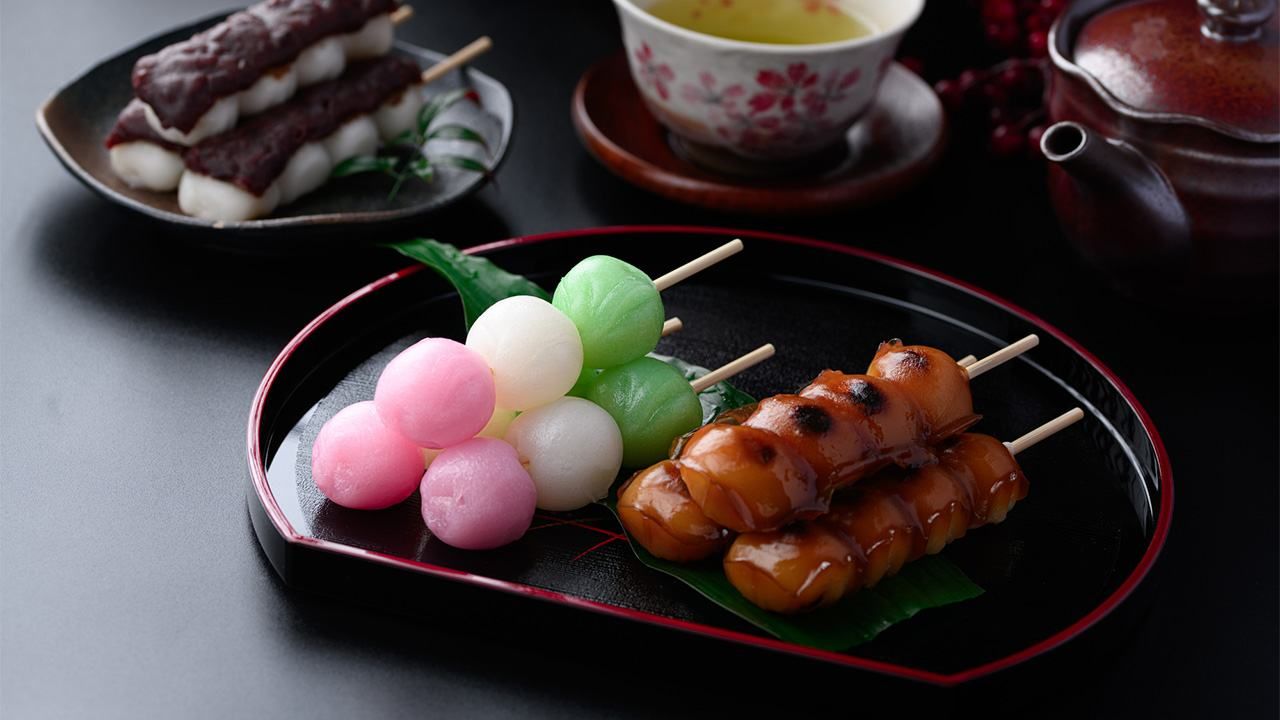
Japanese cuisine is known for its exquisite taste, the traditional methods used in its preparation, and its beautifully decorated desserts. Anko dango is one of its popular sweet dishes, and is a must try for those who love authentic Japanese cuisine. The rice dumplings are made from a mixture of glutinous rice flour and water, and are then filled with the sweet red bean paste. They are a popular dessert in Japan, often served with a dipping sauce of dipping sauce. They are a simple but delicious dish that is a staple in Japan’s culinary culture.
As a Japanese sweet maker, Asian dessert shop, specialty grocery store, and a restaurant serving traditional Japanese sweets, you may have been looking for Anko Dango near you. A little time spent in the search for an authentic anko dango can be a fun experience, and a good way to learn about Japanese food culture, outside of Japan.
This guide will help you discover the anko dango, identify a good anko dango and why you should try this traditional dessert.
What Is Anko Dango?
Anko dango is a traditional Japanese sweet that consists of small, round dumplings filled with anko (red bean paste). The dumplings are usually boiled or steamed until they are soft and chewy. They tend to be skewered and served with anko, a sweet paste from red azuki beans.
The chewy dumplings, coupled with the smoothness and mild sweetness of the bean paste, creates a unique dessert experience. Anko dango doesn’t necessarily need to be made with heavy cream, chocolate or frosting like many sweets from western culture. Rather, it accentuates the natural flavor of rice and sweetened beans.
Anko dango is typically eaten as a snack food, dessert or side dish to Japanese tea. It’s made with simple ingredients and prepared traditionally, making it a popular option for those who love Japanese sweets.
How to Get the Best Anko Dango near you?
The availability of anko dango varies according to location, but there are several types of business to check out.
1. Japanese Bakeries and Sweet Shops
It’s best to start looking in Japanese bakeries and confectionery shops. Many specialize in traditional sweets such as mochi, dorayaki, daifuku and various styles of dango.
Some stores even cook their delectable desserts daily, so that you can enjoy soft and tasty dumplings. If you ask the shop if they have a particular type of anko dango, not all bakeries that sell Japanese sweets will necessarily have all of them.
2. Japanese Restaurants and Cafés
Some Japanese restaurants also feature the traditional dessert in their menus. Matcha, Japanese tea or seasonal sweets cafés can also provide dango as a snack or dessert.
For online searches, consider terms like “Japanese dessert café around me,” “Japanese traditional sweets around me” or “anko dango around me. These searches can help you find out if the local stores have a dessert option available.
Please verify the menu or call before you come out.
3. Asian Grocery Stores
Packed Japanese sweets can be found in some Asian supermarkets in the refrigerator or frozen dessert department. If the store is larger, they may be able to offer imports and other things such as rice-based snacks and azuki beans.
They are very beneficial if there’s no Japanese specialty bakery nearby, although not always available. Carefully read the label to ensure you know what ingredients it contains, how to store it, and how to prepare it.
4. Online Japanese Food Retailers
Japanese specialty food shops and Japanese dessert shops might offer an alternative. You can either find frozen dango, packaged Japanese sweets, or Japanese ingredients that you can make the dango at home.
Check out shipping terms, storage needs, delivery times and seller details before ordering. Some fresh rice dumplings are sensitive to the conditions in which they are stored; it is important to select a seller who will be able to explain the process of packaging and delivery of their product.
What Makes Authentic Anko Dango Special?
The true anko dango is enjoyed for its texture, sweetness and simplicity. There are a number of factors that can help you realize why this dessert is quite unique.
Soft and Chewy Texture
The dumplings will be pleasantly chewy but not too hard or sticky. The consistency depends on the ingredients, method of preparation and freshness.
Though it can differ from region to region and confectioner to confectioner, the traditional element of the rice dumpling is the dumpling itself.
Sweet Red Bean Paste
Typically, anko is produced by frying azuki beans and adding sugar. The paste can be smooth or contain some entire or broken beans, depending on preparation.
There are two styles of smooth anko, referred to as koshian and chunky anko called tsubuan. Both can be applied in Japanese sweets, and the taste of the texture varies among people.
Simple Ingredients
In traditional anko dango, the main ingredients are the rice dumplings and bean paste, with only a few other ingredients used. Ingredients, however may differ with recipes and people that have food allergies or dietary restrictions should always refer to the product label or ask the seller.
The Most Popular Varieties of Dango to try are Described Below
When you are trying out Japanese desserts for the first time, it can be more interesting to learn about the various types of Japanese desserts.
- Anko dango is rice dumplings filled with sweet red bean paste.
- Dumplings glazed with a shiny, sweet soy sauce, known as mitarashi dango.
- Hanami dango: Three-color dumplings traditionally eaten during Hanami.
- Green dumplings made with Japanese mugwort (yomogi), recipe varies.
- Soft dumplings prepared with shiratamako rice flour and often eaten with Japanese desserts.
Different varieties have different flavors and textures. You might want to inquire if they make other dango if a shop doesn’t have anko dango on hand, to find a new favorite.
What you Should do When Searching for the Best Anko Dango
Before buying a product, check the following aspects prior to comparing shops.
Freshness and Preparation
The texture of fresh dango is often more enjoyable. Inquire about the time of dumpling production, and adhere to the storage guidelines of the seller.
Quality of Ingredients
Check for clarity of ingredients and description of red bean paste. If you’re not looking for a sweet dessert, inquire if they serve anko that’s only lightly sweetened.
Customer Reviews
Use online reviews to check out the quality of a shop’s products and services as well as what they offer. While the overall rating is important, search for individual comments about Japanese sweets.
The price and portion size
When there are multiple stores, take time to compare the sizes of their items and compare the prices. Handmade desserts can be more expensive due to the quality of ingredients, methods of preparation and labour.
Locate Anko Dango in the local area
Here are a few tips that can help make your search more effective.
- Open maps app and type in “anko dango near me.
- Try Japanese bakeries, Japanese confectionery stores, and Asian dessert cafes.
- Look at business pictures, menus, reviews and hours.
- Don’t forget to check with the shop to see if anko dango is available on that day.
Inquire if the dessert is freshly prepared, refrigerated, frozen or can only be ordered by special request.
These will save you some time and prevent you from going to a shop which sells Japanese desserts but does not have dango.
Is it possible to make anko dango at home?
Absolutely, if you’re able to have the right ingredients at home, you can make anko dango from home as well. The basic recipes usually require rice flour or a mixture of rice flours, water and sweet red bean paste.
The dough is made with water, formed into small balls and boiled until the dumplings are soft. Dumplings can be cooked and then set on skewers and served with anko.
To get the best results use a recipe that has been created with the flour you buy, since flours from different varieties of rice will give different textures. Alternatively, you can purchase ready-made anko from Japanese grocery stores and avoid the hassle.
Making it yourself allows you the control of sweetness and portions, and provides a fun way to introduce Japanese cooking.
Conclusion
Anko Dango near me is an excellent way to begin your search for one of Japan’s traditional sweet treats. Japanese bakeries, specialty dessert shops, Japanese restaurants, Asian grocery stores, and online retailers are all potential places to explore.
The combination of chewy rice dumplings, sweet azuki bean paste and easy preparation make anko dango an appealing treat. Before going to the restaurant, research the menu, review customer food ratings, and confirm availability to enjoy a satisfying rendition of this classic Japanese dessert.
From a cup of green tea to a Japanese coffee shop, or even at home, anko dango is a treat to taste and enjoy the flavors and traditions of Japanese confectionery.