Sodium, just like every other mineral, is important for our bodies. Lately, sodium’s been under scrutiny due to its role in increasing blood pressure, weight gain, water retention, and other conditions. The fact that too much sodium is bad for you doesn’t mean this is the ticket to cut this mineral entirely out of your diet. Sodium is essential for the body to function properly in the following ways: It is used by the nerve cells to send messages properly, it is used by the muscles to contract effectively, it helps to keep fluid balanced in the body, and it is used by the body’s cells to absorb nutrients efficiently.
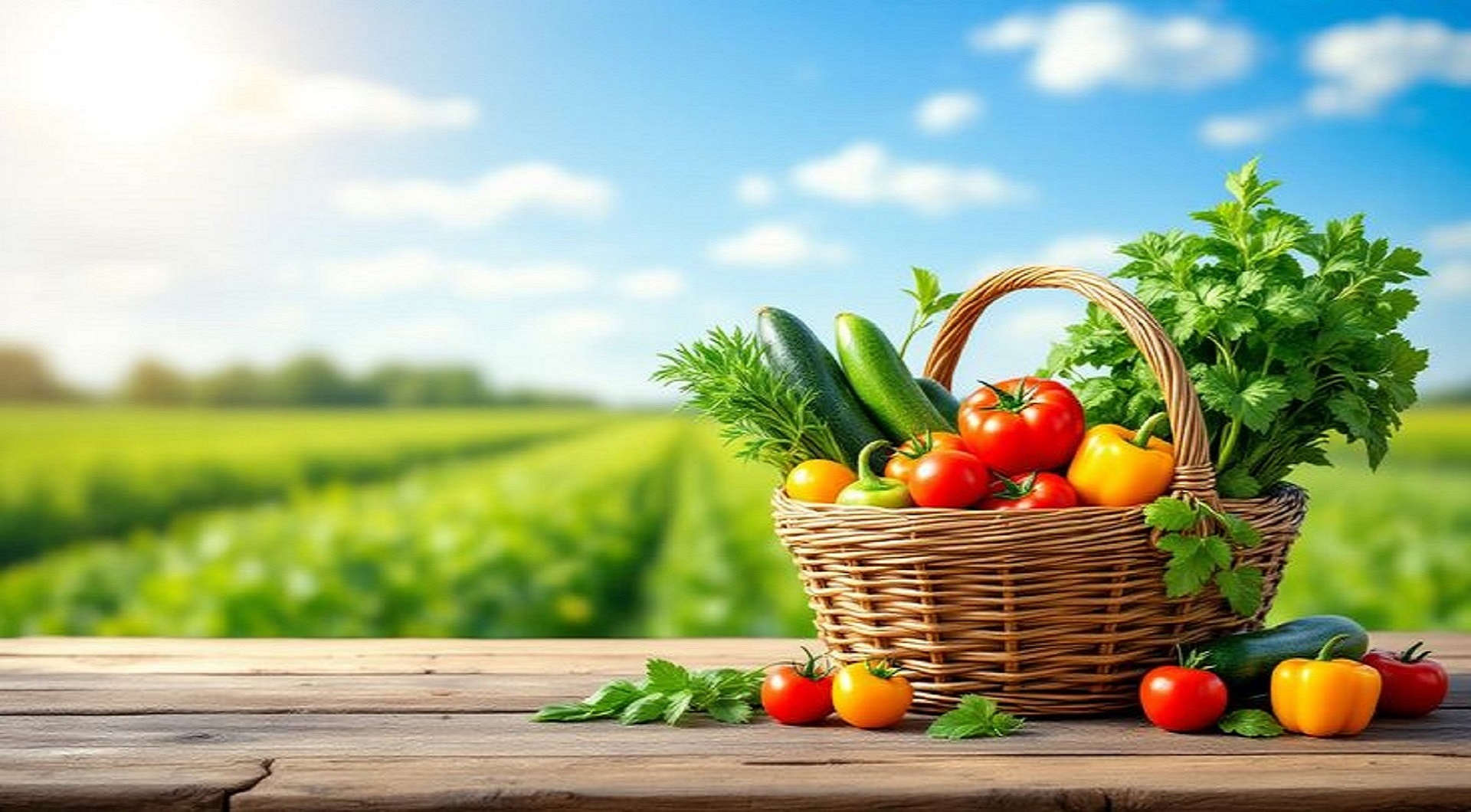
On one hand, there are vegetables with high sodium content that do the job of the salt. There are also sodium-rich vegetables that take the place of extra salt. In this article, we’ll take a look at some of the most delicious and healthy vegetables that are rich in sodium but subtle enough to not overburden your body with too much of the white stuff, and some hacks of healthy living that can help push sodium levels up without any health risks. Plan green, considerate, and veggie. Allow the plate to balance.
What Is the Importance of Sodium?
Sodium is required to help maintain the balance of electrolytes and to carry nerve impulses and muscle contractions. Helps to regulate water levels in and out of cells and ensures nerves and muscles function properly.
Low levels of sodium (hyponatraemia) can cause problems – people with low levels of sodium may get muscle cramps, weakness, headaches, confusion, tiredness and even have seizures. These symptoms are the result of the increased water intake of cells (particularly brain cells) caused by low sodium. To sum up, optimal sodium levels are essential for regulating blood pressure, nerve functioning, and muscle control.
What Vegetables Contain a Lot of Sodium? Discover 17 Sodium-Rich Vegetables
Below is our sodium vegetables list of 17 common Indian vegetables that contain higher sodium (relative to other fresh veggies), along with their sodium content per 100 g, key nutrients, and health benefits. These high-sodium-containing vegetables are high in vitamins, minerals, fibre, and can help you to get more sodium naturally.
1. Celery (Ajmod)
The stalks of celery are one of the vegetables with a high sodium content, with a content of approximately 80 mg/100 g. It also contains a high amount of water and fibre. Celery’s antioxidant (specifically the phthalides), folate, and vitamin K content reduce blood pressure and improve heart health. It’s considered one of the greatest zero-calorie meal replacement foods for intermittent fasting.
Due to its saltiness and crunchiness, celery can be used to naturally season soups and salads. The high sodium content in it also helps lower cholesterol and inflammation, making it good for health and low in calories.
2. Beetroot (Chukandar)
Beetroot can provide approximately 78 mg sodium per 100 g (raw). It is unique in that it contains a high amount of dietary nitrates, which are transformed into nitric oxide in the body to promote better circulation and reduce blood pressure. Beetroot is also a good source of folate, manganese, potassium and fibre. The potassium and sodium found naturally in beetroot can keep nerves and body fluids balanced. Beet’s pigments (betalains) are anti-inflammatory and antioxidant in a unique way, and it is also a food that raises the level of stamina.
3. Spinach (Palak)
Spinach is a leafy vegetable that contains a good amount of sodium (approximately 79 mg/100 g raw). It is rich in iron, magnesium, potassium, and vitamins A, C, K, and B9 as well. The potassium in spinach also benefits from the sodium present in the plant, which helps balance out the fluids and regulate muscle function. Spinach’s nutrients promote healthy blood, bones and vision.
Unique uses: Raw baby spinach is suitable for salads and smoothies; cooked spinach helps to build up iron and nitrates, which are helpful in keeping blood pressure low and aid in exercise endurance.
4. Carrot (Gajar)
Carrots are approximately 69 mg per 100 g (raw) of sodium. They are well known for beta-carotene (vitamin A), which is beneficial for the health of the eyes and promotes the immune system. A medium carrot (61 g) is a good source of sodium, containing ~42 mg, as well as vitamin K and fibre. This fibre helps maintain a healthy blood sugar level and digestion. Sodium and natural sugars in carrots provide some temporary relief from salty snack cravings. Other health benefits are the antioxidants lutein/zeaxanthin, which help protect individuals’ vision, and their crunchy root, which is frequently added to soups, stews and snacks.
5. Radish (Mooli)
Raw radishes contain around 64 mg of sodium per 100 g. These roots are also peppery and have Vitamin C, fibre, and other minerals. The sodium and potassium in radishes benefit kidney function of the kidneys and hydration. The radishes are good for digestion and mild diuretic, which helps to expel excess water but keep the electrolytes with it. Their salty flavor is used to make pickles, which are not always eaten raw, or incorporated into salads as a “raw” vegetable, but they are also eaten raw in salads.
6. Green Cabbage (Patta Gobi)
Green cabbage has about 20–24 mg of sodium per 100 g (raw). It is a cruciferous vegetable, which is high in the vitamins C, K and fibre. Even the small amount of sodium is enough to help balance fluids if consumed in large amounts. Cabbage is appreciated for its beneficial effects on gut health: it nourishes a healthy gut, and when fermented (such as sauerkraut or kimchi) it contains probiotics. The raw cabbage is crunchy, juicy, and its phytonutrients (such as Sulforaphane) are anti-inflammatory and anti-cancer.
7. Cauliflower (Phool Gobi)
Cauliflower is a low-sodium food, containing about 18 mg of sodium per 100 g (raw). It is a cruciferous vegetable that is similar to cabbage; it contains vitamin C, fibre and a number of antioxidants. It contains naturally low sodium but higher than some other veggies. The special characteristic of cauliflower is its versatility: it can be riced, roasted or pureed. It has compounds (glucosinolates) which help to detoxify the liver. Cauliflower is low in flavour, so it’s a good alternative to higher-sodium foods in dishes, such as cauliflower rice for higher-sodium grains.
8. Mushrooms (Kalaki)
The sodium content of raw mushrooms is low (about 6–15 mg per 100 g), and they contain a little more sodium than many vegetables, including fruits and leafy greens. Mushrooms contain high levels of vitamin D (after being sun-caked), B vitamins (B2, B3), and selenium. They also possess an antioxidant chemical, ergothioneine. Although there is very little sodium in mushrooms, they are also quite hydrating due to their water content. Immune health mushrooms, these mushrooms are also used for their umami flavour, which can help to minimize the need for added salt, and can be added to dishes without sacrificing savoury flavour.
9. Sweet Potato (Shakarkand)
Sweet potato contains 54mg of sodium per 100g (cooked) – a moderate starchy vegetable. It is an excellent source of beta-carotene (vitamin A) and fibre, and is a good source of vitamin C and manganese. It has a high potassium content that is beneficial for maintaining the water level in cells and blood pressure.
Sweet potatoes are rich in complex carbohydrates for sustained energy, and the fibre promotes digestive health. A very common snack in India is roasted or boiled sweet potato, which is naturally a bit salty-sweet, and can be used to get more sodium in a healthy way.
10. Green Onion / Spring Onion (Hara Pyaz)
Green onions contain approximately 40 mg sodium per 100 g, of which 10 mg are in a 25 g serving (in a 100 g serving). They are a good source of vitamin C, vitamin A (carotenoid) and fibre. Green onions’ sodium and pungent flavour help boost the flavour of foods naturally. They help to promote healthy blood and immune function (through vitamin K). Spring onions are a versatile vegetable that can be cooked lightly or used raw in dishes, and their natural saltiness and crispness make them a great addition to any dish. They are sometimes added to broths and salads, and thus indirectly contribute to the sodium content in the food through the broth or salad dressing.
11. Tomato (Tamatar)
Tomatoes have relatively high sodium content for a fruit: 100 grams raw, 9 mg. The tomato products (juice, puree, etc.) are much higher, though. Whole tomatoes are a good source of lycopene, vitamin C, vitamin K, potassium and folate, all of which are powerful antioxidants. The small sodium content in them is balanced by their potassium content.
Importantly, tomato juice (which is frequently high in salt) is a traditional remedy used for low sodium intake as it is a good source of both sodium and fluid. Fresh tomatoes and tomato sauces flavour foods, and the acidity of tomatoes may help to lower the amount of table salt needed.
12. Potato (Aloo)
Raw white potatoes have approximately 5 mg of sodium in 100 g (very low). However, they are potassium-rich and high in fibre, particularly the skin, which makes them satisfying and nourishing. The sodium content in potatoes is naturally very low, but when consumed in any of their forms (including potato skins), they provide a basis for electrolytes. Potatoes are a good source of vitamins C and B6. They are special because they are a type of comfort food that can be made with little extra salt (e.g., baked or boiled). For low-sodium cooking, be sure to experiment with a potato dish with herbs, such as cumin seeds, that can fill your hunger without the excess salt.
13. Green Peas (Matar)
Green peas have about 5 mg of sodium per 100 g (raw). They contain a high amount of plant protein, fibre, manganese, vitamin K and vitamin C, but not a lot of sodium. Peas’ low sodium content helps balance potassium. They promote blood sugar control and digestive health.
Peas are used in large numbers in dishes; in India, peas can be used to bulk up curries or rice, providing nutrition. They’re naturally sweet, firm, and a healthy side as well as low-sodium. The term “vegetables high in sodium” probably refers to leafy, root vegetables, but adding legumes to a sodium-rich diet like peas will increase protein and variety.
14. French Beans
Approximately 6–8 mg of sodium per 100 g (raw) of green beans. They contain vitamins A, C, K and folate and fibre. Green beans are low in sodium and provide nutrition and bulk to meals. They assist in keeping blood glucose even and help with fullness. Beans contain special flavonoids and chlorophyll to provide antioxidative support.
Beans add a little saltiness and a lot of micronutrients to stir-fries or mixed vegetable dishes, where they serve as a good source of electrolytes to add to other high-sodium vegetables.
15. Okra (Bhindi)
There is low sodium in okra (~6 mg/100 g). However, it is rich in fibre, vitamin C, vitamin K and folate. It contains mucilaginous fibre, which is beneficial for digestion and can help to moderate the uptake of sugar. The natural salt content of okra, with potassium, helps with the function of the kidneys. It is rich in special antioxidants, such as flavonoids.
Okra can be used in cooking with spices, as its sticky texture can retain spices, allowing for flavourful dishes without additional salt. Okra is not high in sodium but complements a balanced vegetable diet and contributes other minerals which help maintain fluid balance.
16. Lettuce (Laitus)
Romaine lettuce (type: leaf lettuce) has an approximate sodium content of 8-15 mg/100g. Iceberg lettuce is at the very bottom end (~ 5-10 mg). Despite the low sodium, lettuce is hydrating (over 95% water) and a source of vitamin A, vitamin K and folate. It has crunchy leaves which make salads and sandwiches fresh and satisfying.
The sodium in lettuce helps to hydrate in a mild way thanks to the water and potassium it contains. Lettuce tea or juice is a revered remedy in old folk as food for sleep apnea, because some varieties of lettuce contain a mild sleep-inducing compound called lactucarium.
17. Bitter Gourd (Karela)
In addition to being very low in sodium (only a few mg/100g), bitter gourd is included because of its health benefits in a low-sodium diet. It is full of vitamins C and A and has insulin-like peptides which regulate blood sugar levels. As the trace sodium it does have is negligible, bitter gourd is significant due to its metabolism-supporting unique antioxidants (charantin, momordicin). Bitter gourd is commonly prepared as a vegetable or used in herbal medicine in India; it can be consumed as a vegetable by stir-frying or juicing with added salt. It is valuable in helping to balance electrolyte levels without additional salt, largely because of its blood sugar control properties.
To sum up, these sodium-rich vegetables are just as safe as processed and salty snacks as a way to boost sodium in the diet, and all plant-based foods contribute to raising sodium levels safely.
Which Foods Are High in Sodium, and How Can You Balance It Naturally?
If sodium levels are low (hyponatraemic), then there are some practical and natural strategies that may help balance it out:
1. Try to Drink Electrolyte Beverages
Any fluid with electrolytes (not just water) can rapidly increase sodium. Coconut water, vegetable broths, or diluted sports drinks are good ways to get sodium and other minerals. If you are drinking water only, you can further dilute sodium in your bloodstream, so you may want to drink something with electrolytes in it, or add a pinch of salt to a drink of lemonade or soda water.
2. Use Natural Salt Sources with meals
A little mineral-rich salt (Himalayan pink salt or sea salt) can add sodium to homemade meals. For example, adding a little salt to a smoothie, soup, or veggie stir-fry gets you sodium and the trace minerals too. Even dietitians say it’s good to add a little bit of salt to a meal when sodium is low. Just be cautious not to overdo it – these tips are designed to help achieve balance (not beyond the recommended level).
3. Take Balanced Snacks that Contain Sodium and Potassium
Mix foods to replenish electrolytes. Some examples are eating several salted nuts, olives, or a banana or yoghurt. Sodium (from nuts/olives) and Potassium (from banana/yoghurt) both help to keep the fluid balance in the body. Also, an excellent tip is to use natural yoghurt or buttermilk (chaas), which contains approximately 40-50 mg of sodium per cup and calcium. A glass of salted lassi or buttermilk is a good way to stay hydrated and slightly increase sodium levels. Never over-hydrate with plain water – drink electrolyte solutions in conjunction with well-balanced meals.
4. Add More Soups and Broths
To boost sodium, make homemade soup or clear broth, particularly vegetable or chicken broth. A plain homemade soup (such as tomato soup or vegetable clear soup with some salt) is hydrating and supplies sodium. A cup of broth or clear liquids throughout the day will provide fluid and sodium in an absorbable form. For those who love savoury food, you can make a bone broth, miso soup, or a bone broth.
5. Take a Break from Water While Heavy Exercising
Drinking plain water alone may exacerbate low sodium if you are a heavy sweater (for example, during heavy exercise). Rather, switch to an electrolyte beverage or a light snack that is salted to replace lost salt. For example, following a run, sip an electrolyte drink or eat crackers with salt on them rather than just water. This helps lower the sodium level quickly. In general, listen to your body’s thirst and don’t overhydrate without electrolytes during heavy sweating.
6. Consume Sodium-Rich Vegetables from our List
Make more of the sodium-rich vegetables above a part of your diet. Snacking, for instance, on celery sticks, beetroot slices or a carrot salad provides sodium as well as other nutrients. These are the best vegetables for adding some salt, as well as fibre and vitamins. A dip of hummus or other light dip with a little salt added onto a plate of veggies can be a gentle way of adding sodium.
7. If Necessary, Seek Advice from a Doctor
Lastly, if you think you may have actual hyponatremia (particularly if you are confused or very tired), get medical help (particularly if symptoms of hyponatremia are present). Your doctor may suggest a fluid that can be taken by mouth or check your sodium level. These tips are for mild cases, and under supervision for severe low sodium. Always change sodium according to specific health requirements (e.g., low sodium for people with high blood pressure, high sodium for people with low sodium).
The Final Say
Sodium is not the enemy; it is the messenger, helper, and hydrator for the body. It is the clarity given through the clean sources that makes the system’s clarity. These are vegetables high in sodium that are brought into balance with those that packets disrupt. Smart hacks take the place of salt shakers. Only understanding, no fear. Your health should get the proper kind of sodium, in the proper form.
FAQs
1. What foods will increase sodium?
Any food that is salty tends to increase sodium. This includes salted nuts and seeds, olives, canned soups or broths, pickles, and soy sauce. Vegetables such as celery and spinach are naturally high in sodium, so they are a contributing factor. Most people can find relief in practice by simply adding a little salt to food or drinking broth.
2. What drink is high in sodium?
Sodium is best consumed in the form of drinks with added salt. These can be made from tomato juice, vegetable juice (which are naturally high in sodium), sports beverages/ electrolyte beverages, or homemade broths. Coconut water is a good source of potassium and a little sodium. Salted buttermilk (chaas) or electrolyte drinks that contain both sodium and water are a traditional treatment.
3. Do bananas aid in sodium?
No – bananas are very low in sodium (only ~1 mg per 100 g). They are potassium-rich (good for electrolyte balance), but they do not increase blood sodium. Indeed, if sodium is low, one should go for foods that are rich in sodium instead of bananas. Bananas are a better source of the sodium-sparing effect to counteract the effect of high potassium levels in the body than as a sodium source.