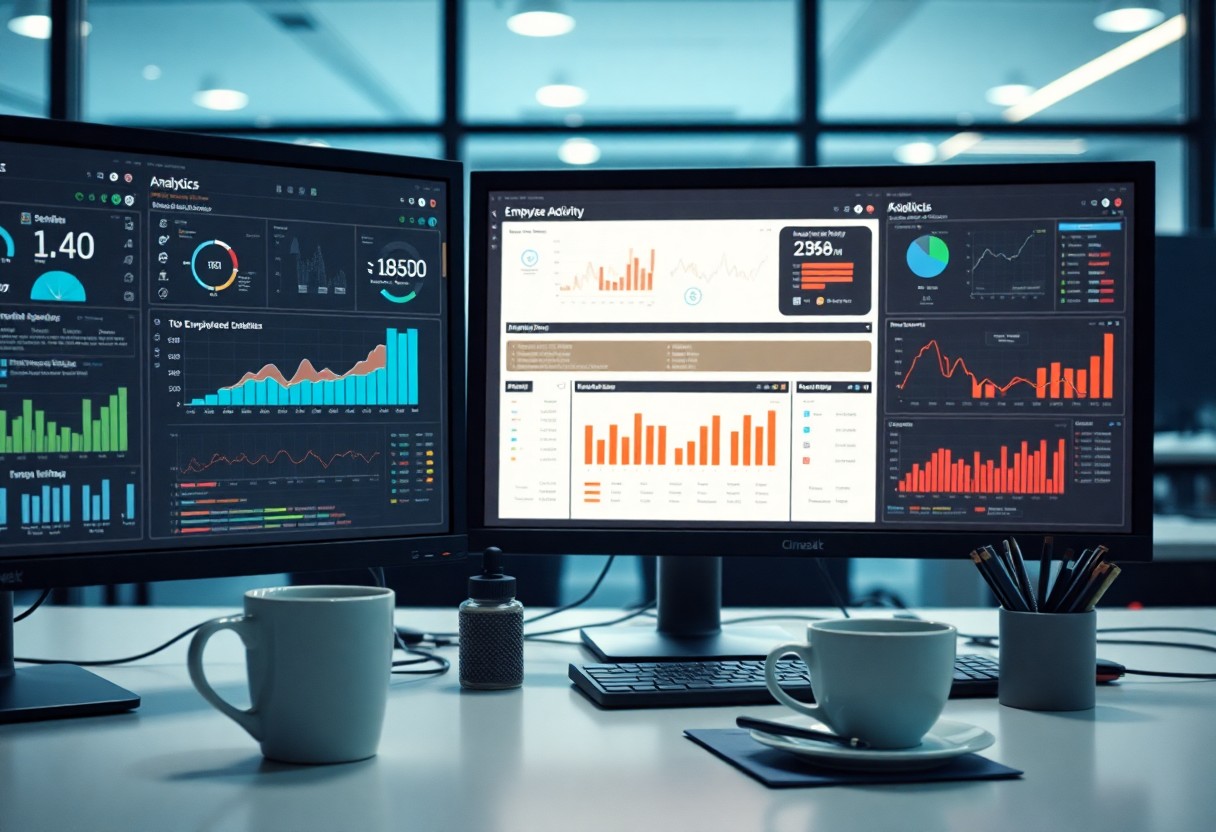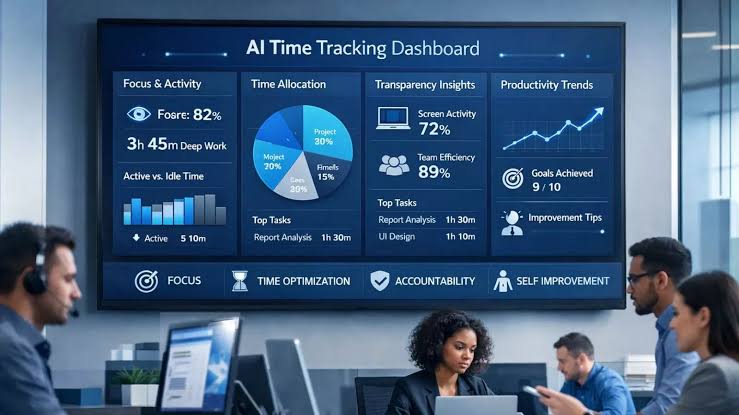
Efficiently handling employees is also an important aspect of a successful business. With growing organizations and remote or hybrid work arrangements, it can be hard to track employee activity, hours worked and progress on a project. Employee tracking software provides a practical answer, allowing businesses to streamline employees’ operations and enhance productivity.
By using the latest technology, businesses can track employee activities, attendance, hours worked and project performance. These features help managers make informed decisions, and keep employees organized and on task.
If you have an idea of how employee tracking software functions and its role in boosting productivity at work, you will be better able to select the appropriate tools for the workplace.
What Is Employee Tracking Software?
Employee tracking software is a computer-based tool that is used to keep track of and manage employee working hours, attendance, activities, and productivity.
The software can contain time tracking, job management, attendance tracking, project reporting, and worker analytics, contingent on its abilities.
These tools are used in business to streamline administrative tasks and provide improved visibility of work completion among various teams.
The software is of great benefit to the businesses with remote workers, field employees, freelancers and distributed teams.
What is Employee Tracking Software?
The various features and integrations in employee tracking software gather work-related data.
For instance, a digital timer software could be used to log job time on particular tasks. Reports can then be reviewed by managers to get to know the progress of the project and what further support is needed.
Some of the common software features are:
- Time tracking and time sheet management.
- Monitoring of attendance and work schedule.
- Task and project tracking (X-Task and X-Project tracking).
- Productivity reports and analytics.
- Employee activity management.
- Seamless payroll and project integration.
These features help businesses to streamline their operations and save time from manual administrative tasks.
How Employee Tracking Software Improves Workforce Productivity
1. Better Time Management
Time Management is one of the key factors in workplace productivity. Employee tracking software can provide insight to organizations of how working time is allocated among various tasks and projects.
Staff have the ability to log hours for assignments, and managers can see reports of delays or inefficient procedures.
This information will help you to:
- Set realistic deadlines.
- Identify time-consuming tasks.
- Optimize working schedules each day.
- Utilize resources more efficiently.
Time management can help teams finish projects in a timely manner without the unnecessary pressure.
2. Improved Employee Accountability
Employee tracking software promotes accountability by keeping a transparent record of work-related activities and progress on tasks.
Having an understanding of what employees need to do and when, allows them to be more organized in their work.
The tracking information can also be used to have a discussion with managers about what the project expects and which parts of the project the employee may need extra help on.
But accountability should be around the meaningful work outcomes and not so much around monitoring of individual behavior.
3. Effective Remote Workforce Management
Many industries have embraced remote work and/or hybrid work models.
For employers with staff members working remotely, this can be a difficult task without the right digital tools.
Managers can view attendance, task progress and project updates without having to be in the office with employees.
These tools can assist in managing remote employees by:
- Taking electronic attendance.
- Tracking project deadlines.
- Organizing employee schedules.
- Providing support for distributed teams.
This can facilitate businesses staying visible and letting employees work flexibly.
4. Accurate Attendance and Timesheet Management
Handwritten attendance can cause administrative problems, especially in companies where there are many employees.
Attendance management software streamlines the way that employees record their working hours, making the process much easier.
Automated timesheets also minimize timesheet data entry errors.
Timely records are essential for the effective management of preparing payroll, calculating billable time, and keeping a well-organized record of the workforce.
Key Features to Look for in Employee Tracking Software
The selection of the software depends on the requirement of the organization, the employees working in the organization and the size of the organization.
There are a few key characteristics that businesses should take into account when choosing a platform.
Time Tracking & Attendance
An accurate time tracking system enables employees to log his or her working hours and breaks.
Attendance can be reviewed with the help of attendance features and can be used to identify attendance related issues in the calendar.
Project and Task Management
Employees can also use task management features to organize tasks, monitor deadlines, and update the progress of projects.
These tools can help managers know what’s going on with projects and what delays might occur.
Reporting and Analytics
Useful insights into workforce operations can be obtained from reports.
The following information can be viewed by businesses:
- Total hours worked.
- Project completion status.
- Task duration.
- Attendance trends.
- Workload distribution.
These benefits enable managers to make informed decisions regarding staffing and project planning.
Integrate with Business Applications
When put together with payroll, accounting, project management and communication software, employee tracking software can be more beneficial.
Integrations eliminate repetitive data entry, ensure consistency of data across systems, and simplify workflows.
Employee tracking can be advantageous for businesses in a couple of ways.
Employee tracking software can provide a range of operational benefits when used appropriately.
- Better productivity: Supplies information that improves work organization for employees and/or managers.
- Less administrative work: Automates timesheets, attendance records and reporting.
- Better project planning: Supplies information to aid in planning and resource allocation.
- Enhanced workforce visibility: Insights into workload distribution and project progress.
- Better informed decisions: Provides organisations with relevant information to inform operational decisions.
These advantages can assist businesses set up more structured and effective workplace procedures.
Best Practices for Using Employee Tracking Software
Employee tracking systems can enhance employee management, but they must be carefully used.
The organizations need to make it clear why the software was used and what information is being gathered from it.
The following are some practical best practices:
- Share information with staff on tracking policy.
- Only gather information that is relevant to the business.
- Set guidelines for accessing and storing employee information.
- Do not use Tracking Reports as a form of punishment, but as a support for employees.
- Evaluate productivity based on quality of work and results.
- Comply with relevant privacy and employment laws.
- Clear policies foster trust and promote effective use of tracking tools.
Conclusion
Businesses have come to use employee tracking software as an effective tool to boost productivity in the workforce and simplify day-to-day operations.
These can help organisations improve visibility of time management, attendance and task tracking, as well as workforce reporting.
With transparency and respect for employee privacy, employee tracking software can help plan better, be held more accountable, and enhance workflows.
With an increasing number of digital workplace technologies now being embraced by businesses, selecting the appropriate employee tracking solution can contribute to a productive, orderly and flexible work environment.